

How I Use Credit Cards to Travel More and Spend Less
Disclosure: Some of the links in this post are referral or affiliate links. I may earn a commission—at no cost to you—if you choose to sign up for a credit card or make a purchase. I only recommend what I personally use to travel more and spend less

When people hear I use points to book trips, they usually assume it’s expensive, complicated, or only for people with unlimited income. But here’s the truth: I’m traveling more, spending less, and staying in great hotels—without going into debt or blowing my budget.
Credit cards aren’t just about perks. When managed wisely, they’re powerful financial tools. Every purchase I’m already making—dining out, groceries, bills—is a chance to earn rewards. And when you combine the right cards with the right strategy, those points can turn into serious travel savings.
This isn’t about luxury for the sake of showing off. It’s about financial efficiency—getting the most value out of your spending while keeping your money working for you.
Whether you’re new to credit card rewards or just looking to travel smarter, here’s how I make it all work—without overcomplicating the process or spending more than I need to.
The Foundation: Why I Use Credit Cards Strategically
Used the right way, credit cards aren’t just a payment method—they’re tools to earn rewards, unlock travel perks, and stretch every dollar.
My approach is simple:
I only use cards for purchases I was already going to make.
I make sure each swipe serves a specific goal—whether that’s hitting a sign-up bonus or maximizing a category bonus.
Every Card Has a Job to Do
I don’t open credit cards just to have them—each one needs to serve a specific purpose in my overall setup.
Before I apply, I ask myself:
Is the sign-up bonus worth it, and can I hit the spend requirement?
Does it fit into an ecosystem I’m already using—like Chase, Amex, or Citi?
Are the perks actually valuable for how I spend or travel?
Can I downgrade it later if it stops being useful?
If a card lines up with my goals and fills a gap, it earns a spot. If not, I wait—because there’s always another opportunity.
Making Every Dollar Count with the Right Card
I match my spending with the cards that give me the best return. Whether it’s 5x on rotating categories, 3x on fuel, or 2% cash back, every purchase has a purpose.
Using the tools available to earn rewards on the money I’d be spending anyway. Over time, that adds up to free travel, statement credits, and perks I’d never get paying with debit or cash. Maxing My Rotating Rewards with Chase Freedom Flex
Right now (April 1 – June 30), my Chase Freedom Flex® is my go-to for Amazon and streaming services—two categories I already spend heavily in.
All my Amazon orders now go on this card to earn 5% cash back (or 5x Ultimate Rewards® points). Since I value Chase points at about 2 cents each when transferred to travel partners like Hyatt, I’m effectively getting a 10% return on spending I’d be doing anyway.
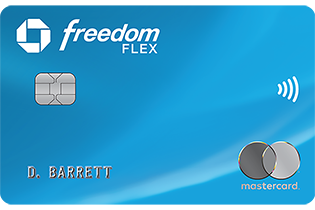
Rotating 5% Categories (up to $1,500 per quarter)
Earn 5% (or 5x points) on changing categories each quarter—like Amazon, gas, groceries, or PayPal.
1% on all other purchases
Effective Value: When paired with a Chase Sapphire Preferred/World of Hyatt card, those 5x points can be worth ~2 cents each → 10% effective return.
Online purchases? Boosted Through Bank of America
For online purchases, I use the Bank of America® Customized Cash Rewards card. Normally, it earns 3% cash back in a category of your choice—mine is set to “online shopping.” But as a Preferred Rewards member, that 3% gets multiplied by up to 1.75x depending on your tier. At the highest level, that turns 3% into 5.25% cash back.
It’s one of the most reliable cards in my lineup. While rotating categories or limited-time bonuses change, this card quietly turns my everyday online spending into consistent, high-yield rewards year-round.
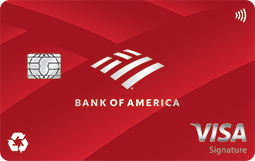
3% in your chosen category (e.g., online shopping, gas, dining, etc.)
2% at grocery stores and wholesale clubs
1% on everything else
Preferred Rewards Boost: Up to 75% more cash back if you qualify
Ex: 3% online→ 3.75%, 4.5% → up to 5.25%
Bills and Random Expenses? Covered.
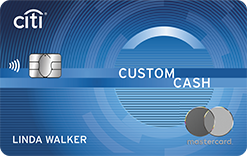
5% back on your top spending category each billing cycle (up to $500/month) with the Citi Custom Cash card
1% on all other purchases
Eligible 5% categories: gas, groceries, restaurants, streaming, drugstores, home improvement, and more
For less predictable expenses, I keep it simple with the Citi Custom Cash®. It earns 5% back on your top eligible category each billing cycle (up to $500), so I let my spending naturally trigger the bonus.
Whether it’s utilities, a random big-box store trip, or unexpected bills, this card fills the gaps and ensures I’m always earning something.
Final Thoughts
Credit cards, when used intentionally, are one of the most powerful financial tools in my wallet. I don’t spend more to earn points—I just make the most of the spending I’m already doing. Whether it’s booking flights, saving on hotels, or earning cash back on everyday expenses, this system works because it’s simple and built around real-life habits.
If this guide helped clarify things or gave you a few ideas to start with, I’m glad you're here.
I’ve included referral links to the cards I personally use and recommend. If you're thinking about applying, using these links helps support the blog at no extra cost to you—and it keeps content like this going.