

My Credit Card Ladder: How I Built a System That Actually Works
Disclosure: Some of the links in this post are referral or affiliate links. I may earn a commission—at no cost to you—if you choose to sign up for a credit card or make a purchase. I only recommend what I personally use to travel more and spend less
Most people think optimizing credit cards means constantly opening new ones or memorizing complex strategies. But for me, it’s about building a system that fits my lifestyle, my spending, and my goals—without ever carrying a balance or overcomplicating things.
Over time, I’ve built a lean and powerful setup around two ecosystems: Chase Ultimate Rewards and Bank of America Preferred Rewards. Each card I’ve opened plays a specific role in that system. This is what I call my credit card ladder—and here’s how it works.
Step 1: Build a Solid Base With No Annual Fee Cards
I started with cards that earned solid rewards on everyday purchases and didn’t cost anything to keep. The goal here is to build credit, earn points on normal spending, and keep things simple.
Chase Freedom Flex®
Annual Fee: $0
Why I Use It: 5% back on rotating quarterly categories like Amazon and streaming (April–June 2025). It earns Chase Ultimate Rewards points, which I can later transfer or redeem through my Sapphire card.
Bank of America® Cash Rewards (x2)
Annual Fee: $0
Why I Use It: Both are set to “Online Shopping,” which earns 3% back—boosted further through my Preferred Rewards status with Bank of America/Merrill. This covers recurring bills, subscriptions, and most day-to-day online spend.
Step 2: Unlock Travel Power With Mid-Tier Cards
After I had a strong foundation, I started adding cards that gave me more flexibility, better bonuses, and travel perks. These are cards with annual fees—but only where the value outweighs the cost.

Chase Sapphire Preferred®
Annual Fee: $95
Why I Use It:
- DashPass benefit (saves me on food delivery fees)
- 2x points on travel and dining
- Point transfers to Hyatt, United, and more
- Travel protections like trip delay and rental car insurance
- Primary card for travel redemptions using Ultimate Rewards
Step 3: Add Hotel Cards That Pay for Themselves
Hotel credit cards get a bad rap because of their annual fees—but if you actually use the annual free night certificates, they often pay for themselves many times over.
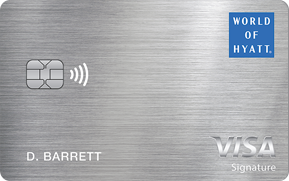
World of Hyatt® Credit Card
Annual Fee: $95
Why I Use It:
- Annual free night certificate (Category 1–4)—I’ve used mine for rooms worth $480+
- Earns bonus points on dining, flights, and gym memberships
- Helps me qualify for elite status
- 5 nights toward elite status each year
My overall favorite keeper hotel card
I’ve used the annual free night certificate at properties like the Hyatt Regency Long Beach and Hyatt Sedona—each stay worth $250 to $480+, and all covered just by holding the card. That one benefit alone makes it an easy keeper. Add in elite night credits and strong bonus categories like dining and gyms, and it’s a reliable long-term card in my wallet.

IHG Rewards Premier® Card
Annual Fee: $99
Why I Use It:
- Annual free night certificate (up to 40,000 points)
- Fourth night free when booking with points
- Platinum Elite status
- Global Entry/TSA PreCheck credit
IHG Rewards Premier® Credit Card
This one surprised me with how useful it’s been. On paper, the certificate is capped at hotels costing up to 40,000 points, but I’ve been able to stretch its value.
A recent example: I stayed at the Kimpton Rowan Palm Springs over New Year’s Eve—a room that would’ve cost over $550. I used the free night certificate and topped it off with just 25,000 additional points to cover the full redemption. That’s a solid .85 cents per point return for a New Year’s Eve in Palm Springs.
Step 4: Fill Gaps With Flexible Spend Cards
Even with optimized categories, some purchases fall through the cracks. That’s where flat-rate or flexible-category cards help maximize earnings on the rest.
Annual Fee: $0
Why I Use It:
3% back on dining and drugstores
5% back on travel booked through Chase Ultimate Rewards
1.5% back on everything else — a great catch-all when no bonus category applies
This card stays in my wallet because the 1.5% back on non-bonus spend gives me a better baseline than the standard 1% most cards offer. Plus, because it earns Ultimate Rewards points, I can pair it with my Chase Sapphire Preferred or Ink cards to unlock travel transfers—especially to Hyatt, where my points stretch further.
Annual Fee: $0
Why I Use It:
Earns 5% back on your top eligible spending category (up to $500/month)
I let it autopilot my biggest expense each month
Works well for gas, drugstores, or any random spend that shifts month to month
It’s a low-effort, high-reward card that quietly fills in gaps without needing constant management.
Final Thoughts
The reason this setup works for me is simple: every card plays a role—and every one of them earns its keep.
I use Chase cards because they combine well. Together, they let me rack up Ultimate Rewards points and transfer them to Hyatt, where I consistently get strong value—often $250–$480+ from a single night using my annual certificate. That’s a return I can rely on, and it’s why I keep building around that system.
For cash back, my Bank of America Customized Cash card does exactly what I need. With Preferred Rewards, I earn up to 5.25% back on select categories—higher than anything else I’ve found. That return maxes out at $1,500 per quarter, which is why I hold two. I personally use the “Online” category, that encompasses a majority of my monthly spending - My Walmart+ purchases, including groceries - code as “Online”.
None of this is about chasing trends. It’s about stacking tools that match how I already live and spend—then letting those tools do the work.
If you’re considering applying for any of the cards I’ve mentioned, feel free to use my referral links. It won’t cost you anything extra, but it helps support this site and allows me to keep sharing guides like this.